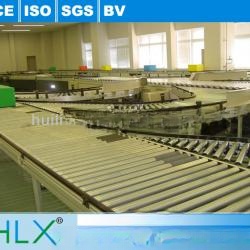
Roller Conveyor For Packing Conveying
Chain Conveyor
Groove Roller Conveyor
HLX's Headquarter
HLX's Reception Room
HLX's Chain Conveyor Workshop
A conveyor system is often the lifeline to a company’s ability to effectively move its product in a timely fashion. The steps that a company can take to ensure that it performs at peak capacity, include regular inspections, close monitoring of motors and reducers, keeping key parts in stock, and proper training of personnel.
Increasing the service life of your conveyor system involves: choosing the right conveyor type, the right system design and paying attention to regular maintenance practices.
A conveyor system that is designed properly will last a long time with proper maintenance. Here are six of the biggest problems to watch for in overhead type conveyor systems including I-beam monorails, enclosed track conveyors and power and free conveyors.
In conveyor systems that may be suited for a wide variety of products, such as those in distribution centers, it is important that each new product be deemed acceptable for conveying before being run through the materials handling equipment. Boxes that are too small, too large, too heavy, too light, or too awkwardly shaped may not convey, or may cause many problems including jams, excess wear on conveying equipment, motor overloads, belt breakage, or other damage, and may also consume extra man-hours in terms of picking up cases that slipped between rollers, or damaged product that was not meant for materials handling. If a product such as this manages to make it through most of the system, the sortation system will most likely be the affected, causing jams and failing to properly place items where they are assigned. It should also be noted that any and all cartons handled on any conveyor should be in good shape or spills, jams, downtime, and possible accidents and injuries may result.